
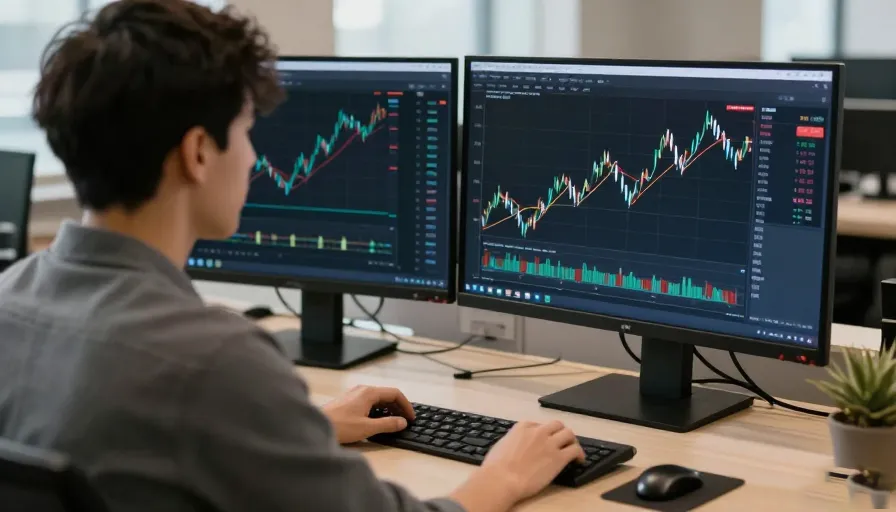
The realm of cryptocurrency trading simulators is undergoing swift transformation. Initially, it started with basic paper trading platforms, but it is now evolving into sophisticated, engaging ecosystems that utilize artificial intelligence, web3 trading game dynamics, and highly realistic market settings. As we gaze into the future, these advanced tools are poised to change the way we acquire knowledge in crypto trading and equip ourselves for actual investment scenarios.
AI-Powered Personalized Coaching
The next wave of crypto trading platforms for practice will integrate AI-driven coaching. Imagine a cryptocurrency simulator that doesn’t just track your trades but analyzes your behavior—identifying patterns like overtrading after losses, ignoring stop-losses, or consistently mistiming entries. The simulator would then provide personalized feedback, micro-lessons, and even adjust difficulty to target your weaknesses. This transforms a static crypto market simulator into an adaptive crypto trading practice environment, accelerating the learning curve significantly.
Immersive Web3 and Metaverse Integration
As the metaverse expands, so will virtual trading experiences. Future blockchain game simulators will allow users to walk through virtual trading floors, interact with other traders via avatars, and experience market events in immersive 3D environments. A defi simulator might place you in a decentralized exchange where you can visualize liquidity pools as flowing streams, making complex concepts tangible. These crypto game worlds will blend education with social interaction, creating communities where crypto leaderboard rankings and trading tournaments feel like esports events.
Hyper-Realistic Market Simulation
Current simulators use real market data but often fail to replicate the nuances of execution—slippage, order book depth, and the impact of large trades. Next-gen crypto exchange simulator tools will model these factors with far greater accuracy, incorporating order flow analytics and even simulating the behavior of whales and market makers. For those serious about day trading crypto, this level of realism is essential. It ensures that skills developed in crypto paper trading transfer seamlessly to live markets.
Gamified DeFi and On-Chain Learning
With the rise of decentralized finance, simulators must evolve to teach on-chain interactions safely. A modern defi simulator will allow users to practice bridging assets, providing liquidity, and navigating governance proposals—all while understanding gas costs and transaction timing. Some projects are already developing crypto investment game formats where players earn crypto rewards for completing educational challenges that involve real smart contract interactions on testnets. This bridges the gap between risk free crypto simulation and actual on-chain experience.
AI-Generated Market Scenarios
Another frontier is AI-generated “what-if” scenarios. Instead of just replaying historical data, simulators will generate synthetic market conditions—flash crashes, liquidity crises, or regulatory shocks—to test how users react. This prepares traders for black swan events that may not appear in past data. Combined with a trading tournament structure, these scenarios create rigorous stress tests for anyone serious about how to trade crypto professionally.
Ultimately, the distinction between virtual trading and real trading will blur. We may see platforms where users can toggle between simulated and live modes within the same interface, seamlessly testing strategies before deploying capital. As AI, Web3, and gamification converge, the next generation of crypto trading simulator tools will make learn crypto not only safer and more effective but also deeply engaging. For beginners and professionals alike, embracing these innovations will be key to staying ahead in an increasingly complex market.
